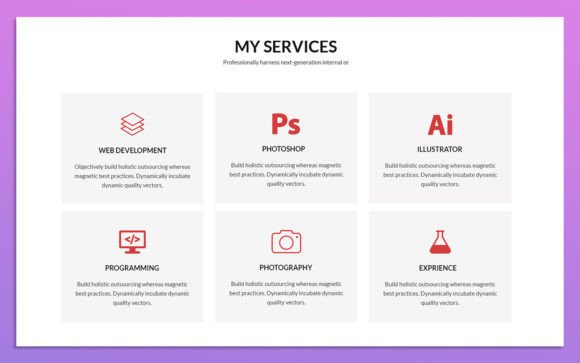
Streamlining Digital Identity: A Deep Dive into the 22 Portfolio UI Elements for Modern Creators
In the rapidly evolving landscape of digital design, the portfolio has transcended its traditional role as a static archive of past work. Today, it serves as a dynamic interface between creator and client, a critical touchpoint that defines professional credibility within seconds. For professionals, creators, entrepreneurs, and marketers, the pressure to maintain a visually stunning yet highly functional online presence is immense. This is where the concept of 22 Portfolio UI Elements emerges not merely as a design asset, but as a strategic solution to the complexities of modern web development.
The demand for efficiency without compromising aesthetic integrity has driven a shift in how we approach user interface design. The 22 Portfolio UI Elements kit represents a curated collection of components designed to bridge the gap between high-end customization and rapid deployment. By offering a simple, clean, and modern design architecture, this resource allows users to construct sophisticated digital narratives with minimal friction. But why is this specific approach gaining traction among freelancers and agencies alike? The answer lies in the changing expectations of the digital consumer and the operational needs of the modern creative workflow.
The Evolution of the Creative Workflow
Historically, building a portfolio website required a significant investment of time and technical expertise. Designers had to code from scratch or wrestle with rigid templates that rarely aligned with their unique brand identity. This bottleneck often resulted in outdated portfolios that failed to reflect the creator's current capabilities. The introduction of fully editable source files, particularly in Adobe Photoshop format, has revolutionized this process. The 22 Portfolio UI Elements are built on the premise that design should be accessible and adaptable.
With fully organized layers and a structure that supports easy color style changes, these elements empower users to take control of their visual identity. The ability to edit every aspect of the design means that a freelancer in New York can maintain the same structural integrity as a studio in Berlin, while completely altering the mood through typography and color palettes. This flexibility is crucial in a market where personal branding is paramount. The use of Google Fonts ensures that typography remains consistent across devices, enhancing readability and aesthetic appeal without requiring complex font licensing management.
Aligning with Industry Trends and Consumer Expectations
The broader industry trend is moving towards minimalism and functionality. Users are increasingly fatigued by cluttered interfaces and slow-loading websites. The 22 Portfolio UI Elements address this by prioritizing a clean and modern design ethos. This aligns with the wider consumer preference for intuitive navigation and immediate access to information. When a potential client lands on a portfolio, they are not looking for decorative excess; they are looking for clarity, competence, and context.
Moreover, the RGB color format ensures that the designs look vibrant and accurate on screens, which is the primary medium for portfolio consumption. This attention to technical detail reflects a deeper understanding of the digital environment. As businesses and entrepreneurs seek to establish their online presence, the need for assets that are both visually compelling and technically sound becomes non-negotiable. The 22 Portfolio UI Elements fit seamlessly into this ecosystem, offering a foundation that is robust enough for enterprise-level presentations yet simple enough for individual enthusiasts.
Practical Applications for Diverse Professionals
The versatility of these UI elements makes them relevant across various sectors. Consider a marketing consultant who needs to showcase case studies. Using the pre-designed layout components, they can quickly assemble a narrative that highlights key metrics and outcomes without getting bogged down in design decisions. Similarly, a software developer can use the clean structures to present code snippets and project links in a way that is accessible to non-technical stakeholders.
- Freelancers: Rapidly update portfolios to reflect new skills or projects, ensuring their online presence remains current.
- Agencies: Standardize the look and feel of multiple client presentations while maintaining unique branding for each.
- Entrepreneurs: Create landing pages that convert visitors into leads by leveraging proven UI patterns.
- Educators: Design course materials or academic profiles that are engaging and easy to navigate.
The practical value extends beyond mere aesthetics. The organized layer structure in the PSD files means that collaboration becomes smoother. Teams can hand off designs with confidence, knowing that every element is labeled and structured logically. This reduces the time spent on revisions and misunderstandings, allowing creators to focus on what they do best: creating value.
The Importance of Customization and Ease of Use
One of the most significant barriers to entry for many professionals is the perceived complexity of design tools. The 22 Portfolio UI Elements dismantle this barrier by emphasizing ease of use. The ability to easily change color styles means that users can experiment with different brand identities without starting from scratch. This iterative process is essential for finding the right visual voice. Whether you prefer a dark mode aesthetic for a tech-focused portfolio or a light, airy design for a lifestyle brand, the underlying structure remains solid.
Furthermore, the inclusion of Google Fonts simplifies the typographic hierarchy. Typography is often the most challenging aspect of web design to get right, but with pre-selected font pairings, users can achieve a professional look with minimal effort. This democratization of design tools allows individuals who may not have formal design training to produce work that competes with established agencies. It levels the playing field, enabling talent to shine through regardless of technical background.
Connecting to Larger Developments in Technology and Lifestyle
The rise of remote work and the gig economy has intensified the need for strong personal branding. As more professionals operate as independent entities, their digital portfolio becomes their primary storefront. The 22 Portfolio UI Elements cater to this shift by providing a tool that is both efficient and effective. In a lifestyle where agility and adaptability are valued, having a design system that can pivot quickly is a competitive advantage.
From a technological standpoint, the emphasis on PSD files and RGB colors acknowledges the current dominance of screen-based media. While print design has its place, the digital realm is where connections are made and deals are closed. By optimizing for this medium, the UI elements ensure that the final output is tailored to its intended environment. This forward-looking approach ensures that the designs remain relevant as technology continues to evolve.
Additionally, the clean and modern design philosophy resonates with the contemporary aesthetic preferences of consumers. There is a growing appreciation for simplicity and clarity in all aspects of life, from product design to interior decor. This cultural shift towards minimalism is reflected in the 22 Portfolio UI Elements, which strip away unnecessary distractions to focus on the content itself. This alignment with broader cultural trends ensures that portfolios built with these elements feel contemporary and credible.
Why People Are Paying Attention
Attention is a scarce resource in the digital age. Professionals are constantly seeking tools that offer high returns on investment in terms of time and effort. The 22 Portfolio UI Elements capture attention because they solve a real problem: the need for a professional, customizable, and easy-to-use design foundation. They are not just a collection of graphics; they are a system for communication.
People are paying attention because these elements represent a shift towards empowerment. They put the power of design back into the hands of the creator, allowing for greater expression and control. In a market saturated with generic templates, the ability to customize every detail while maintaining a cohesive structure is a significant differentiator. This relevance is further amplified by the increasing importance of visual storytelling in business and marketing.
- Efficiency: Reduces the time required to build a professional portfolio.
- Flexibility: Allows for extensive customization to match brand identity.
- Quality: Ensures a high standard of design through professional-grade assets.
- Accessibility: Makes advanced design techniques accessible to non-designers.
In conclusion, the 22 Portfolio UI Elements are more than just a design resource; they are a reflection of the changing needs and expectations of the modern professional. By combining simplicity with powerful customization options, they enable creators to build digital presences that are both impactful and authentic. As the boundary between work and identity continues to blur, having a tool that facilitates clear and compelling self-expression is invaluable. For anyone looking to enhance their online presence, whether for business, services, or personal branding, these elements offer a pathway to achieving a polished and professional result with ease.
For those ready to elevate their digital footprint, exploring the capabilities of these UI elements is a logical next step. The integration of Adobe Photoshop compatibility, Google Fonts, and a fully organized layer structure provides the technical foundation needed to succeed in today's competitive landscape. By embracing these tools, professionals can focus less on the mechanics of design and more on the substance of their work, ultimately driving better engagement and opportunities.