Elevating Digital Expression: The Strategic Value of the New UI Web Ding Web Element Sad Face in Modern Design
In the rapidly evolving landscape of digital design and physical merchandise creation, the demand for versatile, high-quality graphical assets has never been higher. Designers, marketers, and entrepreneurs are constantly seeking elements that not only enhance visual appeal but also convey specific emotional tones with precision. Among the myriad of resources available today, the New UI Web Ding Web Element Sad Face and the broader New UI Web Ding Web Element Icon collection have emerged as essential tools for creators. These assets are not merely decorative; they are functional components that bridge the gap between user interface clarity and artistic expression, making them a great choice for all artists, designers, and crafters.
The Evolution of Emotional Iconography in User Interface Design
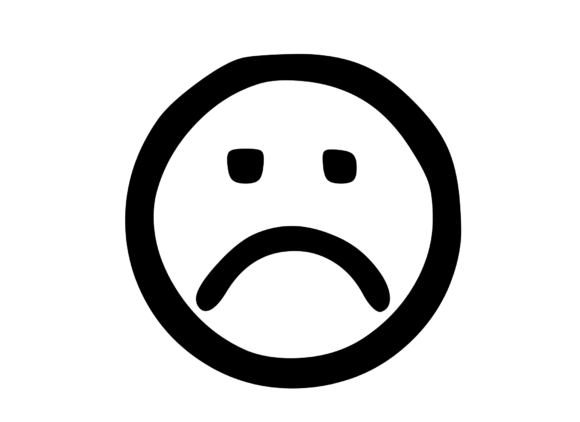
User experience (UX) and user interface (UI) design have transcended simple navigation structures to become deeply empathetic disciplines. Modern websites and applications are expected to communicate with users on an emotional level. This is where symbolic graphics, such as the sad face glyph, play a pivotal role. Unlike generic clipart, the New UI Web Ding Web Element Sad Face is crafted with the specific intent of integrating seamlessly into contemporary digital environments. It reflects a shift towards minimalism and mono-line aesthetics, which are dominant trends in web design today.
The relevance of this element extends beyond the screen. As digital-native brands expand into physical products, the consistency of visual language becomes crucial. A symbol that works effectively on a mobile app button must also retain its integrity when printed on a t-shirt, a mug, or a poster. The versatility of this SVG file ensures that the emotional resonance of the design is preserved across various mediums, from digital screens to textured paper and fabric.
Why Scalable Vector Graphics (SVG) Are Essential for Modern Creators
The inclusion of a single, high-quality SVG file in this package is a deliberate choice that aligns with professional workflows. Unlike raster images (such as JPEGs or PNGs), SVGs are vector-based, meaning they are defined by mathematical paths rather than pixels. This technical distinction offers several critical advantages for professionals and enthusiasts alike:
- Infinite Scalability: Whether you are designing a tiny favicon for a website or a large-format banner for a conference, the image remains crisp and clear without any pixelation.
- Editability: Designers can easily modify colors, stroke widths, and dimensions using standard graphic design software, allowing for seamless integration into existing brand guidelines.
- Performance Efficiency: For web developers, SVGs are lightweight and code-friendly, contributing to faster load times and better SEO performance for digital projects.
For those engaged in print-on-demand (POD) businesses, these technical benefits translate directly to product quality. A clean vector file ensures that prints on tees and mugs are sharp and professional, reducing the risk of customer dissatisfaction due to poor print quality. This makes the New UI Web Ding Web Element Icon a reliable asset for entrepreneurs looking to maintain high standards across their product lines.
Bridging Digital Utility and Creative Craft
The utility of the New UI Web Ding Web Element Sad Face is not limited to corporate web design. It has found a significant place in the broader creative community, including educators, hobbyists, and independent artists. The trend of "digital crafting" has blurred the lines between professional graphic design and personal DIY projects. Users are increasingly leveraging professional-grade assets to create personalized items for schools, home decor, and gifts.
Consider the educational sector. Teachers and administrators often need visual aids to help students identify and discuss emotions. A well-designed, neutral, and clear glyph like the sad face icon can be used in classroom posters, worksheets, and digital presentations. Its mono line style ensures it is not overly distracting, allowing it to serve as a clear communication tool. Similarly, in mental health awareness campaigns, such symbols are used to create approachable and non-threatening visual content for social media and informational brochures.
For crafters using cutting machines and digital printers, the simplicity of the design is a major advantage. Complex gradients and shadows can often cause issues during the cutting or printing process. A single, clean line art element is easy to work with, whether it is being cut from vinyl for a laptop sticker or printed onto cardstock for a handmade greeting card. This accessibility makes it a best choice for both novices and experienced makers.
Standing Out in a Saturated Market
In today’s crowded marketplace, differentiation is key. Whether you are a freelancer offering design services or an entrepreneur selling custom merchandise, using unique and high-quality elements can help you stand out from the crowd. Generic, overused icons can make a brand appear amateurish or uninspired. By incorporating distinctive elements like the New UI Web Ding Web Element Sad Face, creators can add a layer of sophistication and intentionality to their work.
This attention to detail signals to clients and customers that the creator values quality and coherence. It allows for the proud reproduction of a consistent visual identity onto almost anything you wish to design. From minimalist posters that adorn modern living spaces to branded apparel that serves as walking advertising, the impact of a well-chosen icon is profound. It transforms a simple product into a statement piece that resonates with the target audience.
Practical Applications Across Industries
The versatility of this asset allows it to be applied in numerous contexts. Here are several practical examples of how professionals and enthusiasts are utilizing this graphic element:
- Digital Product Design: Integrating the icon into app interfaces to indicate error states, negative feedback options, or mood-tracking features. Its clean lines ensure it remains legible even at small sizes.
- Content Marketing: Using the symbol in blog posts, infographics, and social media graphics to visually represent topics related to challenges, empathy, or problem-solving. This enhances engagement by breaking up text and adding visual interest.
- Merchandise Creation: Printing the design on t-shirts, hoodies, and tote bags. The minimalist aesthetic appeals to consumers who prefer subtle, understated fashion over loud, graphic-heavy designs.
- Educational Materials: Incorporating the icon into digital learning modules, printable worksheets, and classroom decorations to facilitate emotional learning and communication among students.
- Brand Identity: Using the element as part of a larger logo system or brand pattern for companies that prioritize transparency, empathy, and human-centric values.
Each of these applications leverages the core strengths of the New UI Web Ding Web Element Icon: clarity, scalability, and emotional resonance. By understanding the context in which these symbols operate, creators can make more informed decisions about how to best utilize them in their projects.
The Future of Symbolic Communication
As we look forward, the role of symbolic communication in both digital and physical spaces will continue to grow. The increasing globalization of markets means that visual languages must be universally understood. Icons and glyphs serve as a universal tongue, transcending linguistic barriers. The sad face is a universally recognized symbol, and its representation in a modern, clean style ensures it remains relevant and effective.
Furthermore, the rise of augmented reality (AR) and virtual reality (VR) interfaces will require even more robust and scalable visual assets. SVGs and vector-based designs are well-positioned to meet these future needs, as they can be rendered dynamically in 3D spaces without loss of quality. Investing in high-quality vector assets now prepares creators for the next generation of digital interaction.
Conclusion: A Versatile Asset for the Modern Creator
The New UI Web Ding Web Element Sad Face is more than just a simple icon; it is a versatile tool that empowers creators to communicate effectively across various platforms and mediums. Whether you are a professional designer refining a user interface, an entrepreneur launching a new line of merchandise, or a teacher creating engaging educational materials, this asset offers the flexibility and quality needed to succeed.
By embracing such high-quality, scalable resources, you can streamline your workflow, enhance the visual appeal of your projects, and connect more deeply with your audience. Use this fantastic SVG to decorate or craft with, and let it help you stand out in a competitive landscape. From t-shirts to mugs, posters, and digital interfaces, the possibilities are endless. Proudly reproduce this letter onto almost anything you wish to design, knowing that you are using a resource that meets the highest standards of modern design and functionality.
For those ready to elevate their creative projects, integrating the New UI Web Ding Web Element Icon is a strategic move. It represents a commitment to quality, clarity, and emotional intelligence in design. As the boundaries between digital and physical continue to blur, having reliable, versatile assets like this will remain a cornerstone of successful creative practice. Explore the potential of this graphic element today and discover how it can transform your approach to design, craft, and communication.