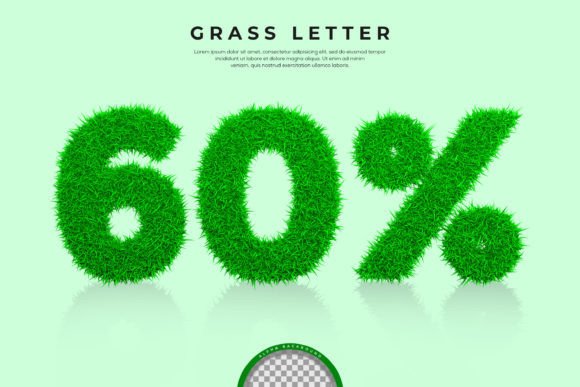
Mastering Realistic 3D Text Rendering: A Guide to High-Quality Grass Templates
In the rapidly evolving world of digital design, the demand for high-quality 3D rendering text has never been greater. Whether you are a graphic designer, a marketing professional, or a content creator, the ability to produce visually stunning typography can significantly elevate your brand's presence. One of the most captivating trends in this space is the integration of natural elements, such as the "Green Grass" aesthetic, into typographic designs. This article explores the significance of realistic 3D grass text renders, the technology behind them, and how user-friendly templates are democratizing access to professional-grade design tools.
The Rise of Natural Elements in Digital Typography
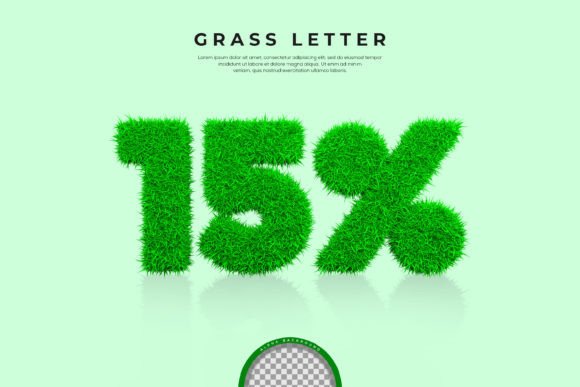
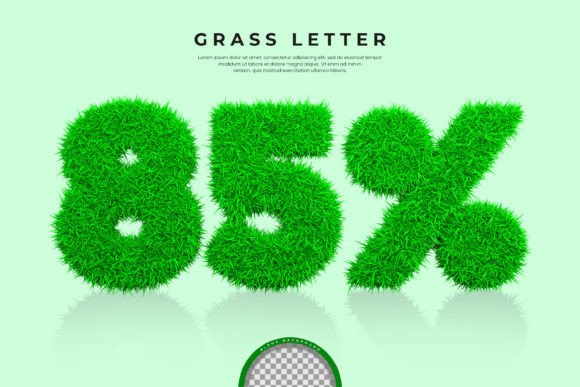
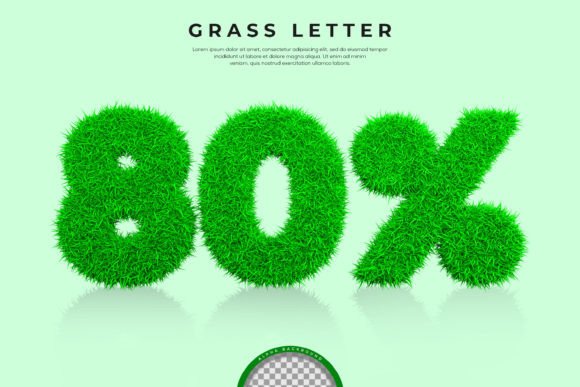
Digital design often struggles to bridge the gap between the sterile precision of computer-generated imagery and the organic chaos of nature. However, realistic grass 3D rendering text offers a unique solution. By combining crisp, modern typography with the lush, textured appearance of green grass, designers can create visuals that feel both contemporary and grounded. This juxtaposition captures attention because it appeals to our innate biophilic tendencies—the human desire to connect with nature.
These designs are not merely decorative; they serve a functional purpose in branding and communication. For industries focused on sustainability, eco-friendly products, outdoor recreation, or organic foods, using text that appears to be grown from the earth itself reinforces the brand message without saying a word. The texture of the grass adds depth and tangibility to the image, making it stand out in a feed saturated with flat, two-dimensional graphics.
Why Resolution and DPI Matter in Professional Design
When discussing 3D rendering text, technical specifications are paramount. A common misconception among beginners is that any high-resolution image is suitable for all purposes. In reality, the intended use case dictates the required quality. The templates discussed here boast a resolution of 4500 x 3000 pixels with a density of 300 DPI (dots per inch).
To understand why this matters, consider the difference between screen display and print media. Standard web images often operate at 72 DPI, which is sufficient for monitors but results in pixelation when printed. A 300 DPI standard ensures that every blade of grass in your render remains sharp and distinct, even when printed on large-format posters, brochures, or packaging. This level of detail is crucial for maintaining professionalism and ensuring that your design retains its impact across all mediums.
Simplifying Complex Workflows with Smart Objects
Historically, creating realistic 3D text required extensive knowledge of complex software like Blender, Cinema 4D, or advanced Photoshop techniques involving lighting, shadow mapping, and texture displacement. This steep learning curve often prevented talented creatives from executing their visions. However, modern design resources have shifted towards accessibility. The core value proposition of these grass text templates is that they are very easy to use.
The secret lies in the use of Smart Object Replacement Layers. In Adobe Photoshop, a Smart Object is a container that holds image data from raster or vector images. When you double-click a Smart Object layer, it opens in a separate window. Any changes you make—such as typing new text or adjusting colors—are automatically updated in the main document upon saving. This non-destructive editing workflow allows users to swap out content instantly without breaking the complex 3D effects, lighting, or textures applied to the original design.
- Efficiency: What used to take hours of rendering now takes seconds.
- Consistency: The lighting and perspective remain perfect regardless of the text length.
- Flexibility: Users can experiment with different phrases without starting from scratch.
Customization and Creative Control
While ease of use is critical, flexibility is equally important. A rigid template limits creativity, but a well-organized file empowers it. These templates are designed with very organized layers, ensuring that every element is accessible. Users are not stuck with a single shade of green. All colors can be changed easily, allowing designers to match specific brand guidelines or seasonal themes. For instance, you might adjust the grass to a golden hue for an autumn campaign or a vibrant neon green for a spring promotion.
It is important to note that all images that are not included are examples for presentation purposes only. This transparency helps manage expectations. The template provides the structure, the lighting, and the grass texture, but the specific props or background scenes shown in previews may need to be sourced separately if desired. However, the core asset—the 3D grass text—is fully editable and ready for immediate use.
Practical Applications in Modern Business and Creativity
The versatility of high-quality 3D rendering text extends across various sectors. Understanding where and how to apply these assets can maximize their return on investment.
- Marketing and Advertising: Eye-catching social media posts benefit greatly from the depth of 3D text. The realistic texture stops the scroll, increasing engagement rates.
- E-commerce Packaging: Brands selling organic products can use these renders on digital mockups for their packaging designs, providing customers with a realistic preview of the product aesthetic.
- Web Design: Hero sections on websites can feature these renders to create an immersive landing page experience that communicates freshness and vitality.
- Event Promotion: For outdoor festivals, garden shows, or environmental conferences, grass-themed typography creates an immediate thematic connection.
By integrating these elements into your workflow, you are not just saving time; you are enhancing the perceived value of your output. Clients and audiences perceive high-fidelity 3D renders as premium content, which can justify higher pricing for services or increase conversion rates for products.
Best Practices for Editing and Exporting
To get the most out of these templates, follow a few best practices. First, always work on a copy of the original PSD file to preserve the master template. When editing the Smart Object, ensure that your text fits within the visible bounds of the canvas to avoid clipping. After saving the Smart Object, check the main document for any necessary adjustments to shadows or highlights, although the automated nature of these templates usually handles this seamlessly.
When exporting, choose the format that suits your needs. For web use, a high-quality JPG or PNG is ideal. For print, ensure you maintain the 300 DPI setting and consider using TIFF or PDF formats to preserve color accuracy. The inclusion of both PSD and JPG files in the download package ensures that you have both the editable source and a quick-preview version at your fingertips.
Conclusion: Elevating Your Design Toolkit
The availability of realistic grass 3d rendering text templates represents a significant shift in the design industry. It lowers the barrier to entry for high-end 3D typography, allowing creators of all skill levels to produce professional results. With features like 100 very easy to edit workflows, organized layers, and high-resolution outputs, these tools are indispensable for modern creatives.
As you incorporate these assets into your projects, remember that the goal is not just to use a trendy effect, but to communicate your message more effectively. The tactile quality of grass text invites viewers to engage with your content on a sensory level. Whether you are designing for a global brand or a local startup, leveraging these high-quality resources can set your work apart.
Thanks for Download and exploring the possibilities of 3D text design. We encourage you to experiment with the customization options available to you. And also see my other works. maybe you like it too. By continuously expanding your library of high-quality assets, you build a robust toolkit that enables you to tackle any creative challenge with confidence and style.