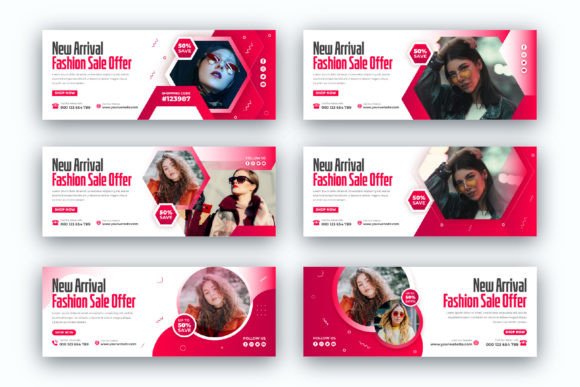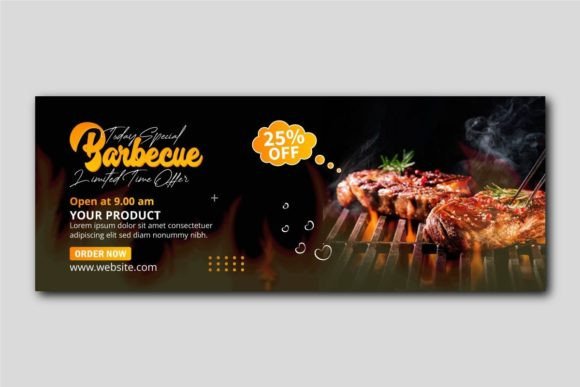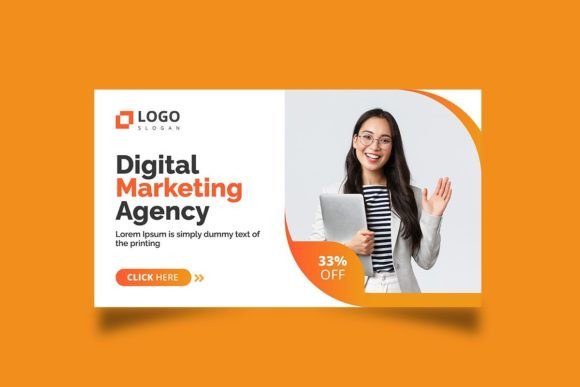
Mastering Your Brand Presence with a Professional Business Facebook Cover Template Design
Your Facebook page is often the first point of contact between your brand and potential customers. Before they read a single post or click on your website link, they see your cover photo. This prime digital real estate sets the tone for your entire online presence. Many entrepreneurs and marketers underestimate the impact of this visual element, treating it as an afterthought rather than a strategic asset. A well-crafted Business Facebook Cover Template Design can transform a passive profile into an active conversion tool, communicating professionalism, clarity, and brand identity in seconds.
However, simply downloading a generic image is not enough. To truly leverage this resource, you must understand the technical and aesthetic nuances involved. Whether you are a freelancer, a small business owner, or a marketing professional, avoiding common pitfalls in design selection and implementation is crucial for maintaining a polished and effective social media footprint.
The Trap of Static Thinking in a Dynamic Interface
One of the most frequent mistakes users make is designing for a static desktop view while ignoring the mobile experience. Facebook’s interface is responsive, meaning your cover image crops differently depending on the device. On a desktop, the image displays wide and short. On mobile, it often zooms in or shifts, potentially cutting off critical text, logos, or call-to-action buttons.
This oversight can severely damage usability. If your phone number or primary value proposition is hidden on mobile devices, you lose immediate engagement opportunities. The solution lies in using a flexible Business Facebook Cover Template Design that accounts for safe zones. When you work with editable files like EPS or AI formats, you have the control to position key elements centrally, ensuring they remain visible across all screen sizes. Always preview your design on both desktop and mobile simulations before finalizing your upload.
Overlooking Editability and File Formats
Many beginners download JPEG or PNG files from free resources, assuming they are ready to go. While these formats are easy to use, they lack flexibility. If you need to change a headline, update a seasonal offer, or swap out a logo, you cannot do so without advanced photo editing skills or starting from scratch. This rigidity leads to inconsistency and wasted time.
In contrast, professional templates provided in Eps and Ai formats offer vector-based scalability and full editability. These high-resolution files allow you to modify every element—text, colors, shapes, and icons—without losing quality. This is particularly important for brands that evolve over time. By investing in an editable template, you future-proof your social media assets. You can quickly adapt your cover for holidays, sales events, or rebranding efforts, maintaining a fresh and relevant appearance without hiring a designer for every minor update.
It is also vital to note that image placeholders are not included in many template packages. Users often assume the stock photos seen in previews are part of the download. This misunderstanding can lead to frustration during the setup process. Always check the file contents and be prepared to source your own high-quality images that align with your brand guidelines. This extra step ensures uniqueness and avoids the generic look associated with overused stock imagery.
Clutter vs. Clarity: The Danger of Over-Designing
In an effort to convey as much information as possible, some businesses clutter their cover photos with excessive text, multiple logos, and busy backgrounds. This approach overwhelms the viewer and dilutes the core message. Social media users scroll quickly; they do not have time to decipher complex graphics.
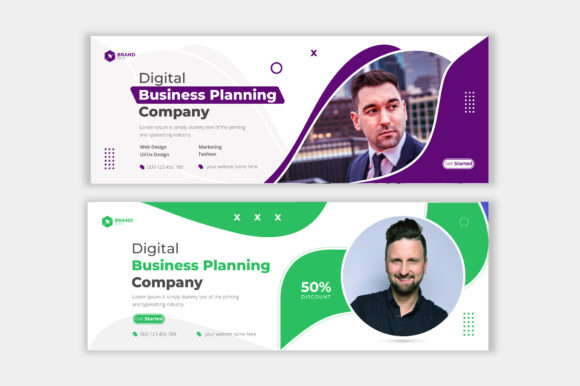
A successful Business Facebook Cover Template Design prioritizes whitespace and hierarchy. Use bold, concise headlines that communicate your unique value proposition in under five words. Let your visual elements support the text, not compete with it. For example, if you are a consultant, a clean background with a clear headshot and a simple tagline like "Helping Startups Scale" is far more effective than a collage of service icons and lengthy descriptions.
To avoid this mistake, apply the "three-second rule." If a stranger cannot understand what you do within three seconds of viewing your cover, the design is too complex. Simplify your layout, increase font readability, and ensure there is sufficient contrast between the text and the background.
Ignoring Brand Consistency and Color Psychology
Your Facebook page should not look like a separate entity from your website or other marketing materials. Inconsistency in colors, fonts, and tone confuses customers and weakens brand recognition. Some users choose templates based solely on aesthetic appeal, ignoring whether the color palette aligns with their existing brand identity.
Before customizing your template, review your brand guidelines. If your brand uses specific hex codes for blue and green, ensure the template allows for easy color adjustment. Most AI and EPS files enable precise color matching. This attention to detail reinforces trust and professionalism. Furthermore, consider the psychological impact of colors. Blue often conveys trust and stability, suitable for financial or tech firms, while orange might suggest energy and creativity, ideal for lifestyle brands. Choose a template structure that complements these emotional cues rather than contradicting them.
Technical Quality and Resolution Matters
Uploading a low-resolution image results in pixelation and blurriness, which immediately signals amateurism. Even if the design concept is strong, poor execution undermines credibility. Many users compress images incorrectly or save them at inadequate dimensions, leading to subpar display quality.
When working with High-Resolution Files, always export your final design at the recommended dimensions for Facebook covers (currently 820 pixels wide by 312 pixels tall for desktop, but designing at higher resolutions like 1640x624 ensures sharpness on retina displays). Ensure your export settings preserve color accuracy and detail. Vector formats like EPS and AI are resolution-independent, meaning you can scale them up or down without any loss in quality, providing a significant advantage over raster-based designs.
Making the Right Choice: What to Check Before Downloading
Before committing to a specific template, evaluate its versatility and ease of use. Ask yourself the following questions:
- Is the file format compatible with my software? Ensure you have access to Adobe Illustrator or a compatible vector editor to open AI and EPS files.
- Are the layers organized? Well-structured files save time. Look for templates where text, images, and background elements are on separate, clearly labeled layers.
- Does it allow for customization? Avoid rigid designs that lock you into a specific layout. The best templates offer modular components that can be rearranged.
- Is the style timeless? Trendy designs may look outdated quickly. Opt for clean, modern aesthetics that will remain relevant for months or years.
By taking a deliberate, informed approach to selecting and customizing your Business Facebook Cover Template Design, you elevate your brand’s digital presence. Avoid the common traps of mobile neglect, static files, and visual clutter. Instead, embrace flexibility, consistency, and clarity. Your cover photo is more than just decoration; it is a strategic communication tool that, when executed correctly, drives engagement and builds trust with your audience.