New UI Web Ding Web Element Yingyang: A Practical Guide for Designers and Creators
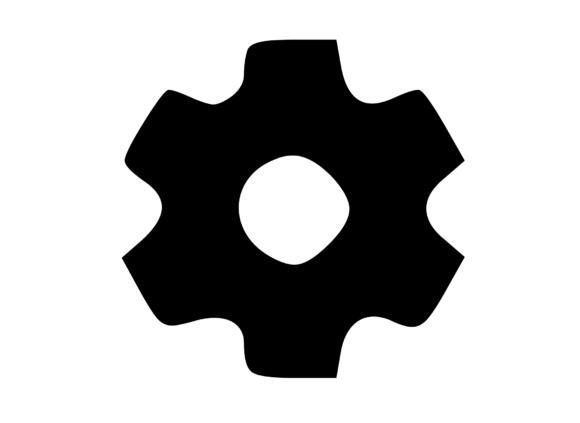
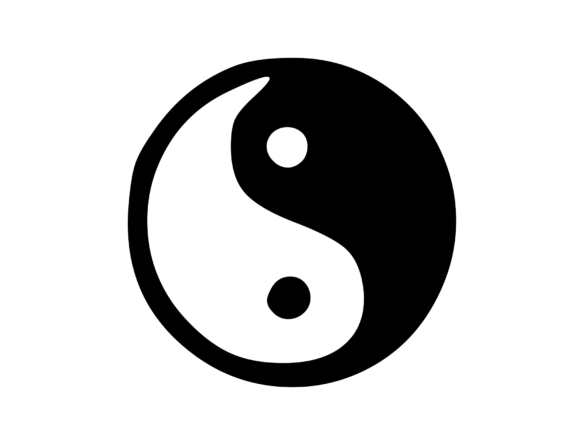
In the fast-paced world of digital design, finding assets that balance aesthetic appeal with technical versatility is often a challenge. The New UI Web Ding Web Element Yingyang has emerged as a compelling resource for artists, designers, and crafters who value precision and flexibility. Whether you are developing a modern website interface or creating physical merchandise like t-shirts and mugs, this SVG asset offers a streamlined solution. However, simply downloading a file is not enough to guarantee professional results. Many creators overlook critical details regarding scalability, licensing, and application, which can lead to subpar outcomes.
This guide explores how to effectively utilize the New UI Web Ding Web Element Icon, helping you avoid common pitfalls while maximizing its potential in your projects. By understanding the nuances of vector graphics and user interface design, you can ensure that your work stands out for the right reasons.
Understanding the Versatility of SVG Assets
The core strength of the New UI Web Ding Web Element Yingyang lies in its format: Scalable Vector Graphics (SVG). Unlike raster images such as JPEGs or PNGs, which rely on pixels, SVGs use mathematical paths to define shapes. This means the image remains crisp and clear at any size, from a tiny favicon on a browser tab to a large-format poster on a wall. For professionals working across both digital and print mediums, this scalability is invaluable.
Many beginners mistakenly treat SVGs like standard image files, assuming they can be edited easily in any photo editing software. This is a fundamental misunderstanding. To truly leverage the glyph and symbol nature of this element, you need vector-based tools like Adobe Illustrator, Inkscape, or Figma. Using the wrong software can result in lost layers, distorted paths, or an inability to modify colors and strokes effectively. Before you begin, ensure your workflow supports vector manipulation to maintain the integrity of the design.
Common Mistakes in Application and Design
Even with the right tools, creators often make errors that diminish the impact of their designs. Here are some frequent issues and how to avoid them.
Ignoring Contextual Harmony
One of the most common mistakes is forcing the Yin Yang symbol into a design where it does not fit thematically or visually. While the New UI Web Ding Web Element Icon is versatile, it carries specific cultural and philosophical connotations. Using it purely as a decorative texture without respecting its symbolic weight can come across as insensitive or disjointed. Always consider the message you are conveying. If your brand or project emphasizes balance, duality, or harmony, this element is a perfect fit. If not, reconsider its placement to ensure it enhances rather than confuses your visual narrative.
Neglecting Color Contrast and Accessibility
In web design, particularly for UI and UX applications, accessibility is paramount. A frequent oversight is using the Yin Yang icon in low-contrast color combinations. Since the symbol traditionally relies on black and white, placing it against a busy background or a similar mid-tone color can render it invisible to users with visual impairments. Always test your design against WCAG (Web Content Accessibility Guidelines) standards. Use high-contrast backgrounds or add a subtle stroke around the element to ensure it remains distinct and legible across all devices.
Overcomplicating the File Structure
When preparing the SVG for web use, some designers leave unnecessary metadata, hidden layers, or unused nodes in the file. This bloats the file size, slowing down website load times—a critical factor for SEO and user experience. Before exporting your final graphic, clean up the file. Remove any extraneous points and optimize the code. A lean, efficient SVG ensures faster rendering and a smoother experience for your audience, whether they are viewing your site on a high-speed desktop connection or a mobile network.
Best Practices for Physical and Digital Crafts
Beyond web design, the New UI Web Ding Web Element Yingyang is a fantastic choice for physical crafts. From t-shirts to mugs, the clarity of vector lines translates well to various printing methods. However, the transition from screen to physical material requires careful consideration.
- Check Resolution Requirements: While SVGs are scalable, printing services often have specific DPI (dots per inch) requirements. Ensure your vector paths are closed and smooth to avoid jagged edges when printed on fabric or ceramic.
- Consider Material Texture: When applying the design to textured surfaces like canvas or rough paper, fine details may get lost. Simplify the design if necessary, or choose materials with a smoother finish to preserve the intricate curves of the Yin Yang symbol.
- Test Color Accuracy: Screens display colors in RGB, while printers use CMYK. The stark black and white of the Yin Yang usually translate well, but if you introduce custom colors, always request a proof print to verify accuracy before committing to a large batch.
Evaluating Quality Before You Buy or Download
Not all SVG files are created equal. When sourcing the New UI Web Ding Web Element Icon, it is essential to evaluate the quality of the asset. Look for files that are properly structured, with named layers and groups. This organization makes future edits significantly easier, especially if you plan to animate the icon for web interactions or separate elements for multi-color printing.
Additionally, verify the licensing terms. Many creators assume that once they download a file, they have unlimited rights to use it commercially. This is rarely the case. Always read the license agreement to understand restrictions on redistribution, modification, and commercial use. Respecting intellectual property rights protects you from legal issues and supports the broader design community.
Enhancing Your Workflow with Semantic Awareness
For marketers and bloggers, integrating this element into content strategy requires more than just visual placement. Use semantic HTML tags when embedding the SVG on your website. This improves accessibility for screen readers and helps search engines understand the context of the image. For example, include descriptive alt text that explains the symbol’s relevance to your content, rather than just labeling it "Yin Yang icon."
Furthermore, consider the psychological impact of the symbol. The Yin Yang represents balance and interdependence. Use this concept to reinforce messages about harmony, dual perspectives, or holistic approaches in your copy. This alignment between visual and textual content creates a more cohesive and persuasive user experience.
Final Thoughts on Maximizing Value
The New UI Web Ding Web Element Yingyang is more than just a graphic; it is a tool for communication. By avoiding common mistakes related to context, accessibility, and file optimization, you can elevate your designs from amateur to professional. Whether you are a freelancer creating a logo, a small business owner designing merchandise, or an educator developing classroom materials, attention to detail matters.
Remember to prioritize clean code, respectful usage, and strategic placement. These practices ensure that your work not only looks good but also functions effectively across all platforms. Embrace the versatility of this SVG, but always approach its use with intention and care. By doing so, you will create designs that resonate with your audience and stand the test of time.