Abstract Rounded Diagonal Lines Vibrant: Strategic Design for Modern Branding
In the crowded digital landscape, visual communication is not merely about aesthetics; it is a critical component of strategic positioning. The choice of graphic elements can significantly influence how an audience perceives a brand’s energy, reliability, and innovation. One such element that has gained prominence in contemporary design is the use of Abstract Rounded Diagonal Lines Vibrant motifs. These are not random decorative choices but deliberate tools that, when applied correctly, can enhance clarity, guide user attention, and reinforce brand identity.
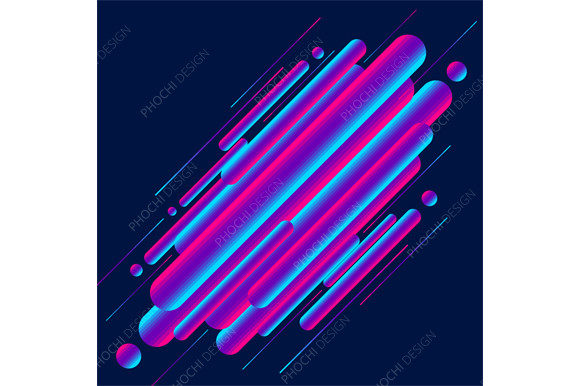
This article explores the strategic utility of these geometric elements, specifically focusing on high-resolution, vector-based illustrations featuring vibrant, rounded diagonal lines on blue backgrounds. We will examine how entrepreneurs, marketers, and creators can leverage these assets to achieve specific business outcomes, from improving customer experience to streamlining operational workflows through consistent branding.
The Psychology of Motion and Structure in Static Design
At first glance, a static image of diagonal lines may seem simple. However, human perception interprets diagonal orientations as dynamic. Unlike horizontal lines, which suggest stability and calm, or vertical lines, which imply strength and authority, diagonal lines create a sense of movement, progress, and direction. When these lines are rounded, the aggressive edge of sharp angles is softened, introducing a layer of approachability and modern fluidity.
The addition of vibrant colors against a blue background further amplifies this effect. Blue is universally associated with trust, professionalism, and depth. By overlaying vibrant, abstract shapes on this foundation, designers create a visual tension that captures attention without sacrificing credibility. This balance is crucial for businesses aiming to appear both innovative and reliable. For decision-makers, understanding this psychological interplay is the first step in using Abstract Rounded Diagonal Lines Vibrant graphics effectively.
Strategic Applications Across Business Functions
The versatility of vector illustrations means they can be deployed across various touchpoints. However, their value is maximized when aligned with specific strategic goals. Below are key areas where these geometric elements can drive results.
Enhancing Brand Positioning and Identity
For startups and established enterprises alike, consistency is the cornerstone of brand recognition. Using a cohesive set of graphic elements, such as editable vector shapes with rounded diagonal lines, ensures that all communication channels speak the same visual language. Whether on a website header, a social media post, or a printed brochure, these elements signal a unified brand presence.
Consider a tech startup launching a new productivity app. The use of vibrant, forward-moving diagonal lines can subtly communicate speed, efficiency, and modernity. By maintaining this visual theme across all marketing materials, the company reinforces its core value proposition without needing excessive text. This non-verbal communication is often processed faster by the brain, making it a powerful tool for immediate brand association.
Improving User Experience and Navigation
In web and app design, visual cues guide user behavior. Abstract lines can serve as directional indicators, leading the eye toward call-to-action buttons or important information. The "flow" created by diagonal compositions can reduce cognitive load, making complex information feel more organized and accessible.
For example, a landing page featuring a Abstract Rounded Diagonal Lines Vibrant background can use the lines to point directly toward a sign-up form. This subtle guidance can improve conversion rates by reducing friction in the user journey. The high resolution (300dpi) and vector nature of these assets ensure that they remain crisp and clear on any device, preserving the professional quality of the user experience.
Streamlining Content Creation and Operations
For marketing teams and content creators, time is a scarce resource. Access to well-organized, editable vector files significantly reduces the time spent on asset creation. Instead of designing unique graphics for every campaign, teams can adapt existing elements to fit new contexts. The ability to edit shapes and colors allows for rapid iteration and A/B testing of visual themes.
Having files in both EPS and JPG formats provides flexibility. EPS files are ideal for print materials and large-scale displays, ensuring no loss of quality regardless of size. JPGs are optimized for digital use, offering quick load times for websites and emails. This dual-format availability supports seamless operations across both digital and physical marketing channels.
Decision-Making Guidelines for Effective Implementation
While the benefits are clear, the misuse of such dynamic elements can lead to visual clutter and mixed messaging. To avoid these pitfalls, practitioners should adhere to the following strategic guidelines.
- Define the Objective: Before selecting a graphic, clarify the goal. Is the aim to energize, inform, or direct? Use vibrant diagonal lines when the goal is to convey motion or excitement. Avoid them if the message requires solemnity or extreme minimalism.
- Maintain Visual Hierarchy: Ensure that the abstract elements do not overpower the primary content. The lines should support the message, not distract from it. Use opacity adjustments or color contrast to keep text readable.
- Ensure Contextual Relevance: Consider the audience. A vibrant, dynamic style may resonate well with younger demographics or creative industries but might feel out of place in highly conservative sectors unless adapted subtly.
- Leverage Editability: Take advantage of the 100% vector nature of the files. Customize the colors to match exact brand guidelines. Do not rely on default settings if they do not align with your established palette.
Risks of Unintentional Design Choices
Using graphic elements without a clear strategy can dilute brand identity. Randomly inserting vibrant diagonal lines into unrelated content can create a disjointed user experience. Audiences may perceive the brand as inconsistent or lacking in attention to detail. Furthermore, overuse of dynamic elements can cause visual fatigue, where users become desensitized to the stimuli, reducing the impact of future communications.
Another risk is technical incompatibility. While vector files are scalable, improper export settings can lead to poor performance on digital platforms. Ensuring that JPGs are optimized for web use and that EPS files are correctly converted for print is essential to maintain professional standards. Neglecting these technical details can undermine the strategic intent behind the design.
Long-Term Value and Scalability
Investing in high-quality, versatile graphic assets yields long-term dividends. A well-curated library of Abstract Rounded Diagonal Lines Vibrant elements can serve as a foundational toolkit for years. As the business evolves, these assets can be repurposed, recolored, and reconfigured to suit new campaigns, products, or markets.
This scalability supports sustainable growth. Instead of constantly sourcing new designs, teams can build upon existing resources, ensuring continuity while allowing for creativity. This approach not only saves costs but also strengthens brand equity over time. Consistent visual language builds trust, and trust is a key driver of customer loyalty and lifetime value.
Practical Steps for Integration
To integrate these elements effectively, start with an audit of current visual assets. Identify gaps where dynamic, modern graphics could enhance communication. Download the high-resolution vector files and experiment with different configurations. Test variations in color intensity and line thickness to find the optimal balance for your specific audience.
Collaborate with cross-functional teams to ensure alignment. Marketing, product, and design teams should agree on the usage guidelines for these elements. Document these guidelines in a brand style book to ensure consistency across all departments. Regularly review the performance of visual assets through analytics and user feedback, adjusting strategies as needed to maximize impact.
In conclusion, Abstract Rounded Diagonal Lines Vibrant graphics are more than just decorative items. They are strategic tools that, when used with intention and precision, can enhance brand positioning, improve user experience, and streamline operations. By understanding the psychology behind these elements and adhering to best practices in implementation, businesses can leverage them to achieve meaningful, long-term results. The key lies in moving beyond random application to thoughtful, goal-oriented design decisions.