Strategic Humanization: Leveraging 12.Team Member Widget Design Elements for Trust and Conversion
In the digital landscape, trust is not merely a sentiment; it is a measurable asset that drives conversion rates, reduces churn, and establishes brand authority. For entrepreneurs, marketers, and business owners, the "About Us" or "Team" page is often treated as an afterthought—a static repository of headshots and job titles. However, when approached with strategic intent, this section becomes a critical touchpoint for humanizing your brand. This is where the 12.Team Member Widget Design Elements become indispensable. These are not just graphical assets; they are structured communication tools designed to bridge the gap between corporate identity and human connection.
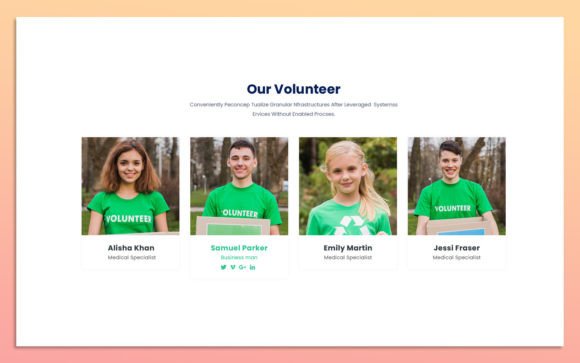
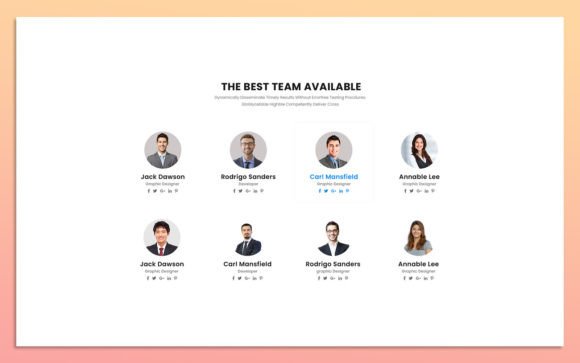
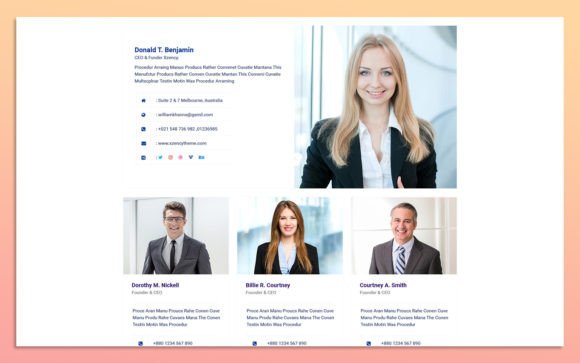
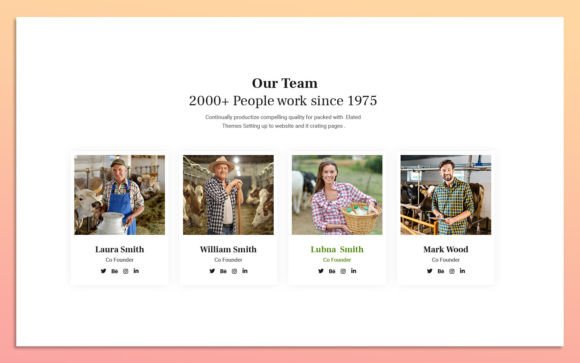
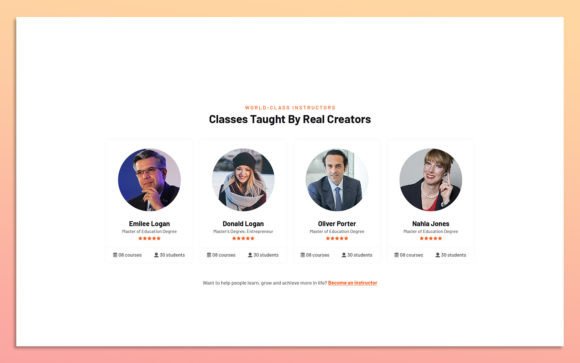
The 12.Team Member Widget Design Elements offer a sophisticated, pre-engineered solution for presenting personnel in a way that is both visually compelling and functionally robust. Built for modern web interfaces, these elements prioritize scalability, ease of customization, and clean aesthetics. By utilizing a fully editable Photoshop source file with organized layers and Google Fonts integration, teams can rapidly deploy professional-grade team sections that align perfectly with their broader branding strategy. But beyond the technical specifications lies a deeper strategic value: the ability to control narrative, highlight expertise, and foster transparency.
The Strategic Value of Visual Consistency
Consistency is the cornerstone of professional branding. When potential clients or partners visit your website, they subconsciously assess your attention to detail. A disjointed team page—with mismatched photo styles, inconsistent typography, or poor alignment—signals operational disarray. Conversely, a cohesive presentation suggests reliability and competence.
The 12.Team Member Widget Design Elements address this challenge by providing a unified design language. Each widget within the kit shares a common structural logic, ensuring that whether you display three team members or thirty, the visual rhythm remains intact. This consistency reduces cognitive load for the user, allowing them to focus on the content—the people—rather than being distracted by chaotic formatting. For decision-makers, this means less time spent on micro-adjustments and more time focusing on the strategic messaging behind each profile.
Moreover, the simple, clean, and modern design of these widgets ensures that they do not compete with other critical content on the page. They serve as supportive elements that enhance readability and user experience (UX). In an era where users scan content rapidly, a clear hierarchy provided by well-designed widgets helps guide the eye to key information: name, role, and social proof.
Customization as a Branding Tool
One of the most significant advantages of the 12.Team Member Widget Design Elements is their flexibility. The kit is designed to be 100% scalable and fully editable in Photoshop. This level of control is crucial for brands that need to maintain strict adherence to their visual identity guidelines. Whether your brand relies on bold, vibrant colors or a minimalist monochrome palette, these widgets can be adapted without losing their structural integrity.
The inclusion of Google Fonts support further enhances this adaptability. Typography plays a pivotal role in conveying tone. A financial consultancy might opt for a serif font to convey tradition and stability, while a tech startup might choose a sans-serif typeface to project innovation and agility. With the ability to easily swap fonts and adjust color styles, you ensure that the team section feels like an organic extension of your brand, rather than a generic template insert.
For freelancers and small business owners who may not have dedicated design resources, this ease of customization is a force multiplier. It democratizes high-end design, allowing non-designers to achieve professional results. The fully organized layers in the Photoshop source file mean that changing an image or adjusting a text block does not require unraveling a complex web of grouped elements. This efficiency translates directly into productivity, reducing the time-to-market for website updates.
Enhancing User Experience and Engagement
User experience (UX) is not limited to navigation menus and checkout flows; it extends to how information is consumed. The 12.Team Member Widget Design Elements are engineered with UX best practices in mind. They provide clear visual cues that encourage interaction. For instance, many widgets in such kits include hover states or subtle animations that reveal additional information, such as social media links or brief bios. This interactive layer transforms a static list into an engaging exploration of your team’s expertise.
From a strategic perspective, this interactivity serves two purposes. First, it increases dwell time on the page, a metric that search engines consider when ranking content. Second, it provides users with multiple pathways to connect with your team. A potential client might be impressed by a developer’s GitHub link or a marketer’s LinkedIn profile, creating opportunities for engagement that extend beyond the website itself.
Furthermore, the responsive nature of these design elements ensures that the team section looks impeccable across all devices. In a mobile-first world, a team page that breaks or becomes unreadable on smartphones is a liability. The scalable vector-based approach inherent in well-structured PSD templates ensures that images and text reflow appropriately, maintaining clarity and impact regardless of screen size.
Risks of Generic Implementation
While the 12.Team Member Widget Design Elements provide a powerful foundation, they are not a substitute for strategic thinking. A common pitfall is using these tools to create a visually polished but emotionally hollow presentation. Simply plugging in stock photos or generic bios into a beautiful widget does not build trust. In fact, it can have the opposite effect, signaling that the company lacks authenticity.
To avoid this risk, it is essential to approach the design process with clear goals. Ask yourself: What story are we trying to tell? Are we highlighting technical expertise, creative flair, or customer-centric values? The design should support the narrative, not obscure it. For example, if your brand value is transparency, consider using candid photos rather than stiff corporate headshots. If innovation is key, perhaps include links to recent projects or publications alongside each team member’s profile.
Another risk is over-customization. While the ability to change every color and font is a strength, it can also lead to decision paralysis or design inconsistency if not managed carefully. Establish a style guide before beginning the customization process. Define your primary and secondary colors, your heading and body fonts, and your spacing rules. Stick to these parameters to ensure that the final output remains cohesive and professional.
Practical Application and Decision-Making
When deciding how to implement the 12.Team Member Widget Design Elements, consider the context of your audience. For B2B enterprises, the focus might be on credentials, experience, and case studies. For B2C brands, personality, approachability, and shared values may take precedence. The versatility of the widget kit allows you to tailor the layout to these different needs. You might choose a grid layout for a large team to showcase breadth, or a featured slider for a small leadership team to emphasize depth.
Planning is also critical. Before opening Photoshop, gather all necessary assets: high-resolution images, updated bios, and correct social media links. Ensure that all team members have approved their profiles for public display. This preparatory step prevents bottlenecks during the design phase and ensures that the final launch is smooth and error-free.
Additionally, consider the long-term maintenance of your team page. As your organization grows, you will need to add new members and update existing profiles. The organized layer structure of the 12.Team Member Widget Design Elements facilitates this ongoing maintenance. By establishing a standardized workflow for updating these widgets, you ensure that your team page remains current and accurate, reinforcing your brand’s commitment to transparency and professionalism.
Conclusion: Intentional Design for Long-Term Results
The 12.Team Member Widget Design Elements represent more than a collection of Photoshop files; they are a strategic resource for building digital trust. By combining aesthetic excellence with functional flexibility, they empower businesses to present their human capital in a way that resonates with audiences and supports broader organizational goals. Whether you are a freelancer looking to establish credibility or a corporation aiming to humanize its brand, these tools provide the framework for success.
However, the true value lies not in the tool itself, but in how it is used. Intentional design, grounded in clear objectives and audience understanding, transforms these widgets from mere decorative elements into powerful drivers of engagement and conversion. By avoiding generic implementations and focusing on authentic storytelling, you can leverage the 12.Team Member Widget Design Elements to create a team presence that is not only visually stunning but strategically effective. In the end, the goal is not just to show who you are, but to connect with those who matter most to your business.