Streamlining Your Visual Brand with an Architect Instagram Template PSD
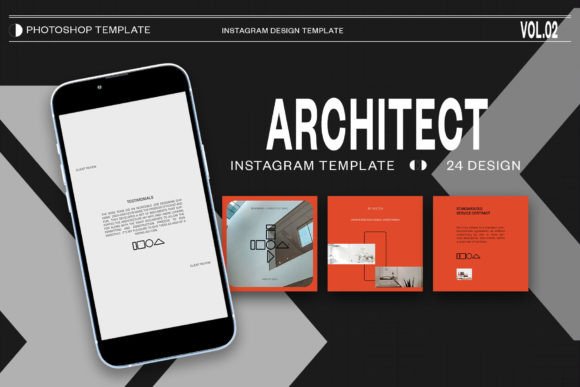
In the competitive landscape of digital architecture and interior design, visual consistency is not merely an aesthetic preference; it is a fundamental component of brand authority. For architects, designers, and creative firms, social media serves as a dynamic portfolio that requires frequent updates without compromising on quality. This is where a specialized Architect Instagram Template PSD becomes an indispensable asset in your marketing workflow. By integrating a high-quality, editable template into your content creation process, you eliminate the repetitive strain of designing posts from scratch, allowing you to focus on what matters most: showcasing your architectural vision.
The value of this tool extends beyond simple convenience. It represents a strategic approach to content management, ensuring that every image shared aligns with your firm’s identity while adhering to the technical standards required by modern social platforms. Whether you are a solo practitioner managing your own branding or part of a larger agency coordinating multiple campaigns, understanding how to effectively utilize these templates can significantly enhance your operational efficiency.
Technical Specifications and Quality Standards
Before diving into the workflow, it is crucial to understand the technical foundation of a professional-grade template. The Architect Instagram Template PSD discussed here is engineered for high-fidelity output, ensuring that your renderings and photography look crisp and professional on any device. The file specifications are designed to meet the rigorous demands of digital display:
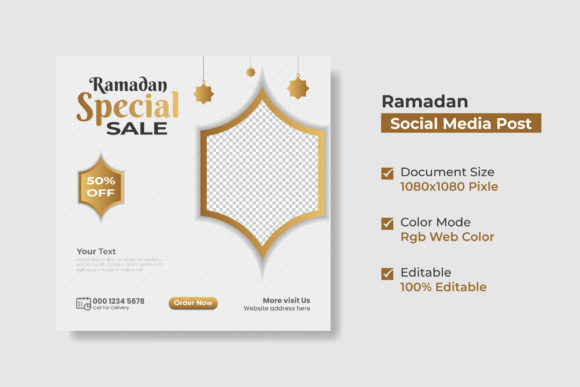
- Resolution: The template operates at 300 dpi (dots per inch). While social media platforms typically compress images, starting with a high-resolution source ensures that details remain sharp during the export process and allows for flexibility if you decide to use the same assets for print materials or high-density displays.
- Color Mode: Files are set to RGB color mode. This is essential for digital content, as screens display colors using red, green, and blue light. Using RGB ensures that the colors you see on your monitor are accurately represented when users view your posts on their smartphones or tablets.
- Dimensions: The package includes versatile dimensions, specifically 1080 x 1080 px for standard square feed posts and 1920 x 1080 px for stories and wider formats. These dimensions are the industry standard for Instagram, ensuring your content fills the screen appropriately without awkward cropping or pixelation.
Understanding these specifications helps you maintain quality control throughout your production pipeline. By starting with the correct settings, you avoid common pitfalls such as color shifting or resolution loss, which can detract from the perceived professionalism of your architectural work.
Integrating Smart Objects for Efficient Workflow
The core feature that makes this Architect Instagram Template PSD a time-saver is the use of Smart Objects. For those unfamiliar with advanced Photoshop techniques, Smart Objects allow you to place images into a predefined frame without permanently altering the original file structure. This non-destructive editing capability is vital for maintaining a clean and organized workflow.
Here is how the integration process works in practice:
- Access the Smart Object: Open the PSD file in Adobe Photoshop. Locate the layer designated for your image. You will notice a small icon in the corner of the layer thumbnail, indicating it is a Smart Object.
- Enter Editing Mode: Double-click on the image layer. Alternatively, you can click twice on the layer icon within the image group. This action opens a new tab containing the placeholder image.
- Insert Your Content: Drag and drop your architectural rendering, site photo, or interior shot into this new tab. Adjust the size and position to fit the frame perfectly. Because this is a separate document, you can manipulate the image without affecting the surrounding design elements like text overlays or graphic borders.
- Save and Update: Once your image is positioned correctly, press CTRL + S (or Command + S on Mac) to save the changes. Return to the main template tab, and you will see your image automatically updated within the design layout.
This method drastically reduces the time spent on each post. Instead of manually masking, resizing, and aligning images for every new project, you simply swap out the content. This consistency is particularly beneficial when posting series of images, such as a before-and-after renovation sequence or a multi-angle view of a new building facade.
Customization and Brand Consistency
While the structural layout provides consistency, the ability to customize text ensures that each post remains relevant to its specific context. The Architect Instagram Template PSD features fully editable text layers. Using the standard Text Tool in Photoshop, you can modify headlines, project descriptions, location tags, and call-to-action phrases.
This flexibility allows you to adapt the template for various purposes:
- Project Launches: Highlight key features of a new build with bold typography.
- Educational Content: Share insights about sustainable materials or design principles with clear, readable text overlays.
- Event Promotion: Announce open houses, lectures, or exhibition appearances with urgent, eye-catching details.
Maintaining brand consistency involves more than just using the same font. It requires a disciplined approach to hierarchy and spacing. By using a pre-designed template, you ensure that your text placement adheres to established design principles, preventing cluttered or unbalanced compositions. This level of polish reinforces your brand’s reputation for attention to detail—a trait highly valued in the architecture industry.
Strategic Implementation in Your Content Calendar
Adopting this template is not just a design decision; it is a strategic move that impacts your entire content lifecycle. Consider how it fits into your broader marketing efforts. Before starting a new project, you can prepare a batch of templates tailored to different stages of construction or design. During the project, as photos become available, you can rapidly generate content by plugging images into the prepared files. After project completion, the same templates can be used to create case studies or retrospective posts.
This approach facilitates better planning and reduces the cognitive load associated with daily social media management. Instead of wondering how to present each new image, you have a reliable system in place. This predictability allows you to focus on the quality of the imagery and the relevance of the accompanying copy.
Furthermore, the template’s compatibility with standard Adobe workflows means it integrates seamlessly with other tools you may already be using. If you manage your content calendar in platforms like Later, Buffer, or Hootsuite, having a standardized output format simplifies the scheduling process. You know exactly how each post will look, reducing the need for last-minute adjustments.
Maximizing Long-Term Value
To get the most out of your Architect Instagram Template PSD, consider organizing your files systematically. Create a dedicated folder for your social media assets, sub-divided by project or month. Save your final exports in a high-quality JPEG or PNG format, optimized for web use. Regularly review your analytics to see which types of layouts resonate most with your audience, and adjust your text strategies accordingly.
Remember, the goal is not just to post frequently, but to post effectively. A well-executed template ensures that every contribution to your feed strengthens your brand narrative. It demonstrates professionalism, consistency, and a commitment to quality—attributes that potential clients look for when selecting an architect or designer.
By leveraging the ease of use, smart object functionality, and high-resolution standards of this template, you transform social media from a chore into a streamlined extension of your design practice. It allows you to communicate your architectural philosophy clearly and consistently, building a stronger connection with your audience one post at a time.