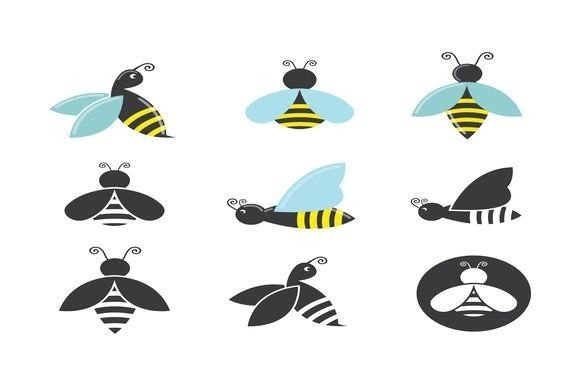
Integrating the Honey Bee Element Vector Image into Professional Design Workflows
In the modern digital landscape, visual assets are not merely decorative; they are functional components of communication strategy. Whether you are a marketer designing a seasonal campaign, an educator creating engaging lesson plans, or an entrepreneur building a brand identity, the quality and versatility of your graphical elements matter. The Honey Bee Element Vector Image represents a specific category of digital asset that bridges aesthetic appeal with technical utility. Understanding how to effectively incorporate this type of vector graphic into your broader workflow can significantly enhance efficiency, consistency, and overall project quality.
Unlike raster images, which are composed of pixels and can lose clarity when resized, vector images are built on mathematical paths. This fundamental difference makes the honey bee element vector image an invaluable resource for professionals who need scalability without compromising resolution. From small social media icons to large-format print banners, a single vector file can serve multiple purposes across various platforms. However, possessing the asset is only the first step. The true value lies in how you manage, customize, and deploy it within your existing creative and operational processes.
The Strategic Value of Vector Assets in Branding and Communication
When considering the role of a honey bee element vector image in your projects, it is essential to look beyond its immediate visual appeal. Bees often symbolize community, productivity, sustainability, and nature. These associations make them powerful tools for brands focusing on eco-friendly products, organic foods, educational initiatives, or collaborative services. By selecting a vector format, you ensure that these symbolic messages remain crisp and professional regardless of the medium.
For marketers and small business owners, consistency is key to brand recognition. Using a standardized vector asset ensures that the color palette, line weight, and style of the bee illustration remain uniform across all touchpoints. This level of control is difficult to achieve with stock photography or low-resolution JPEGs. Furthermore, vector files are typically smaller in file size compared to high-resolution raster images, which contributes to faster loading times on websites and better performance in email marketing campaigns. This technical advantage directly impacts user experience and search engine optimization efforts.
Pre-Production: Selection and Compatibility Checks
Before integrating a honey bee element vector image into your workflow, proper preparation is crucial. The selection process should involve more than just choosing a design you like; it requires verifying technical compatibility with your software stack. Most professional designers use Adobe Illustrator, CorelDRAW, or Affinity Designer, which natively support formats like AI, EPS, and SVG. However, if your team relies on web-based tools like Canva or Figma, you must ensure the vector file is compatible or can be easily converted without losing editable layers.
- Format Verification: Confirm whether the file is provided in SVG for web use or AI/EPS for print. SVG is generally preferred for digital interfaces due to its code-based structure.
- Layer Organization: Check if the vector elements are grouped logically. A well-organized file allows you to isolate the bee’s wings, body, or stripes for custom animations or color changes.
- Licensing Review: Always verify the usage rights. Ensure the license covers commercial use, modification, and distribution if you plan to incorporate the asset into products you sell.
Taking these steps during the pre-production phase prevents bottlenecks later in the project. It eliminates the need for time-consuming troubleshooting when deadlines are tight, allowing your team to focus on creative execution rather than technical fixes.
Implementation: Customization and Integration Techniques
Once the asset is selected and verified, the next phase is implementation. A generic honey bee element vector image rarely fits perfectly into a unique brand identity without some degree of customization. This is where the flexibility of vector graphics shines. You can adjust colors to match your brand guidelines, modify stroke widths to align with your design system, or combine the bee element with other graphical components to create a composite illustration.
For web developers and UI designers, integrating SVG vectors directly into HTML code offers additional advantages. You can manipulate the appearance of the bee using CSS, enabling hover effects or interactive states that enhance user engagement. For example, a bee icon could animate slightly when a user hovers over a "Subscribe" button, adding a subtle layer of delight to the user interface. This level of interactivity is difficult to achieve with static image formats and highlights the functional superiority of vectors in digital product design.
In print production, the process differs slightly. Here, the focus shifts to color modes and resolution independence. Ensure that the vector file is converted to CMYK color space if required by your printer, although many modern digital printers handle RGB vectors well. The absence of pixelation means you can scale the honey bee element to any size, from a business card to a billboard, without any loss in quality. This scalability reduces the need for multiple file versions, simplifying asset management and reducing storage costs.
Workflow Efficiency and Asset Management
Efficient use of the honey bee element vector image extends beyond individual projects. It involves establishing a systematic approach to asset management. For freelancers and agencies, maintaining a organized library of vector assets can save hours of search time in future projects. Tagging files with relevant keywords such as "nature," "insect," "eco," or "spring" allows for quick retrieval. Additionally, keeping a record of where and how specific assets were used helps maintain consistency across long-term client relationships.
Collaboration is another critical aspect of workflow integration. When working with remote teams or external vendors, sharing vector files requires careful consideration. Cloud-based storage solutions with version control ensure that everyone is working with the latest iteration of the asset. Clear communication regarding file formats and editing permissions prevents accidental overwrites or incompatible edits. By standardizing how vector assets are shared and stored, teams can reduce friction and accelerate the review and approval process.
Quality Control and Long-Term Usability
Maintaining the integrity of your visual assets over time is essential for brand longevity. Regularly audit your use of the honey bee element vector image to ensure it still aligns with your evolving brand strategy. Design trends change, and what looked modern five years ago may appear dated today. However, because vector files are editable, updating the style of your bee element is far easier than replacing a entire set of raster images. You can refresh the look by adjusting colors, simplifying shapes, or adding textures while retaining the core recognizable form.
Quality control also involves checking how the asset renders across different devices and browsers. Test SVG files on various screen sizes to ensure they display correctly. Pay attention to how colors appear on different monitors, as calibration differences can affect perception. By proactively addressing these variables, you ensure that your visual communication remains professional and effective regardless of the viewer’s context.
Practical Use Cases Across Industries
The versatility of the honey bee element vector image allows it to fit seamlessly into diverse industries. In education, teachers can use scalable bee illustrations to create worksheets, presentations, and interactive learning modules that remain clear when projected or printed. In agriculture and food production, companies can utilize these vectors for packaging design, labeling, and promotional materials that emphasize natural ingredients and sustainable practices. Non-profits focused on environmental conservation can leverage the symbolic power of bees to raise awareness about biodiversity and ecosystem health.
For content creators and bloggers, incorporating vector elements into infographics and social media posts can increase engagement. The clean lines and customizable nature of vectors make them ideal for data visualization, where clarity is paramount. By integrating a honey bee motif into charts or diagrams, creators can add visual interest without distracting from the underlying information.
Ultimately, the successful integration of a Honey Bee Element Vector Image into your workflow depends on treating it as a strategic tool rather than a mere decoration. By focusing on preparation, customization, efficient management, and quality control, you can maximize the value of this asset. Whether you are designing a logo, building a website, or creating educational content, understanding the technical and aesthetic potential of vector graphics empowers you to produce higher quality work more efficiently. This approach not only enhances your immediate projects but also builds a foundation for consistent, scalable, and professional visual communication in the long term.